
TMR and RPNI after limb loss: what the evidence shows
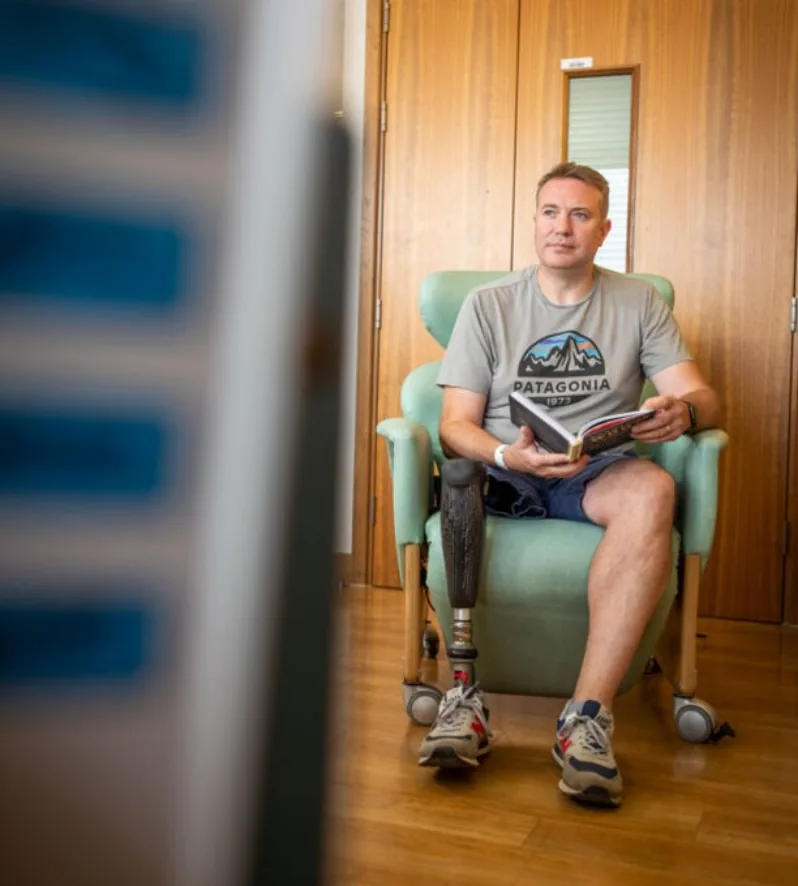
After major limb loss, pain is not always limited to the area that can be seen. Neuroma pain, phantom limb pain, and residual-limb discomfort can all have a major effect on sleep, mobility, prosthetic use, confidence, and day-to-day function. For some patients, that pain becomes one of the biggest barriers to moving forward.
Two surgical approaches that are now discussed more often in this area are targeted muscle reinnervation, usually shortened to TMR, and regenerative peripheral nerve interface, or RPNI. Both aim to give cut nerves a more useful biological target, reducing the likelihood of painful nerve-end problems and, in some cases, helping with prosthetic control as well.
The published evidence in this field is encouraging, particularly for neuroma pain and phantom limb pain, but it is important to be realistic. These are specialist procedures, not a universal solution. Outcomes vary, complications are still possible, and the right choice depends on the wider clinical picture rather than the name of the technique alone.
At Relimb, nerve surgery is considered as part of a broader reconstructive pathway rather than as a stand-alone fix. That matters because pain, soft-tissue problems, prosthetic tolerance, rehabilitation goals, and psychological readiness often overlap. Good care depends on understanding how those pieces fit together for each individual patient.
For patients and families, the key point is simple: promising techniques do exist, but the best results still depend on careful selection, honest discussion of expectations, and a pathway that links surgery to rehabilitation and follow-up.
Interested in our research?
Explore our full library of publications and research themes in limb reconstruction.
View all publications